A Review of ‘Ten Marks of a Coachable Leader’ by John Pearson
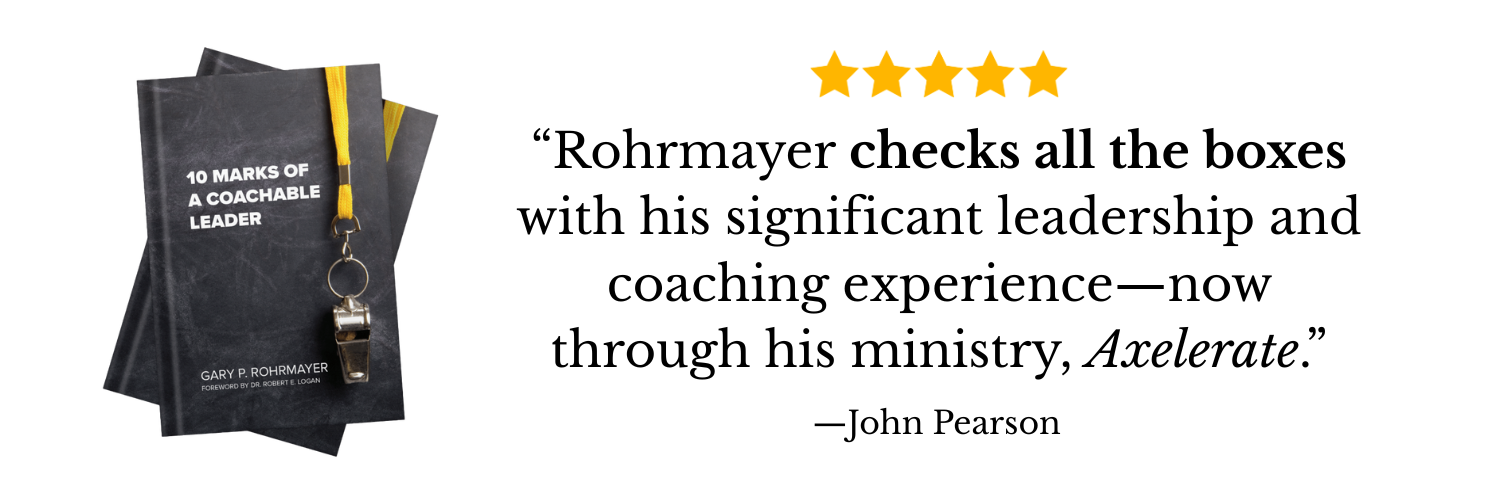
I’m a big fan of authors who deliver the meat-and-potatoes of a book by page 25. Bingo! Gary Rohrmayer nails it—right on page 25—with the sixth mark of a coachable leader: “Coachable People Can Make Key Adjustments in Their Lives.” (I also loved #9: "Coachable People Possess a Constructive Spirit of Discontent.")
Rohrmayer quotes from Experiencing God, by Henry Blackaby and Claude King: “You must make major adjustments in your life to join God in what He is doing.” (I recently shared some stories from the 2021 edition of Experiencing God with Mark Ellis of God Reports and he posted this.)
Rohrmayer checks all the boxes with his significant leadership and coaching experience—now through his multidenominational ministry, Axelerate (“serving leaders who serve church planters”). And he doesn’t waste a word in this gut-check quick-read for leaders.
“Are you coachable?” As a young leader in his 20s, Rohrmayer asked a future church member, “If you have any advice for me, please don’t hesitate to give it to me.” Her response, after ensuring he was coachable, “You need to take care of your shoes and shine them more.” His response: “Thirty-five years later, I have applied that advice every day because first impressions count.”
You’ll quote often from the book’s wisdom:
The 8-Point Checklist on your coachability. (Have you ever changed your position/approach because of the coaching you received?)
14 Red Flags that you might be resistant to coaching. (“You never ask for feedback from other people.”)
3 Reasons why “idea people” tend to be difficult to coach.
7 Innovative Qualities that advance adaptable people. (On curiosity: “Flexible people aren’t timid in asking foolish questions.”)
3 Reasons why leaders “settle in” rather than being “stretched forward.” (“Being comfortable is one of the leader’s worst enemies.”)
10 Reflective Questions on “a constructive spirit of discontent.” (“Is my pace sustainable?”)
And this:
“Self-reliance is an American virtue but not a biblical value.”
“One of the best lessons a leader can experience is defeat.”
“Learn how to let go of mistakes quickly…” and “Remove the stinking thinking.”
He quotes Fred Smith, “The coachable leader must possess a ‘constructive spirit of discontent’ in order for coaching to work well.” (Also from Smith: “Mentor Search: Seven Qualities to Look for in a Mentor,” March 10, 2026.)
Maybe the reason I loved this book so much is Rohrmayer begins and ends with coaching stories about Michael Jordan, the Hall of Fame NBA player. Over his career he missed 9,000 shots, missed 26 game-winning shots, and lost 300 games. Jordan: “I failed over and over. That is why I succeed.” (View the video.)
In 1994, MJ left the Chicago Bulls for the Double-A baseball team, the Birmingham Barons in Alabama. Rohrmayer discusses Jordan’s humble request to his baseball coach: “Teach me.” (Note: I was at the Barons' ballpark in 1994 and saw Jordan play right field. Honest!)
How many of the 10 marks of a “coachable leader” would characterize your leadership?
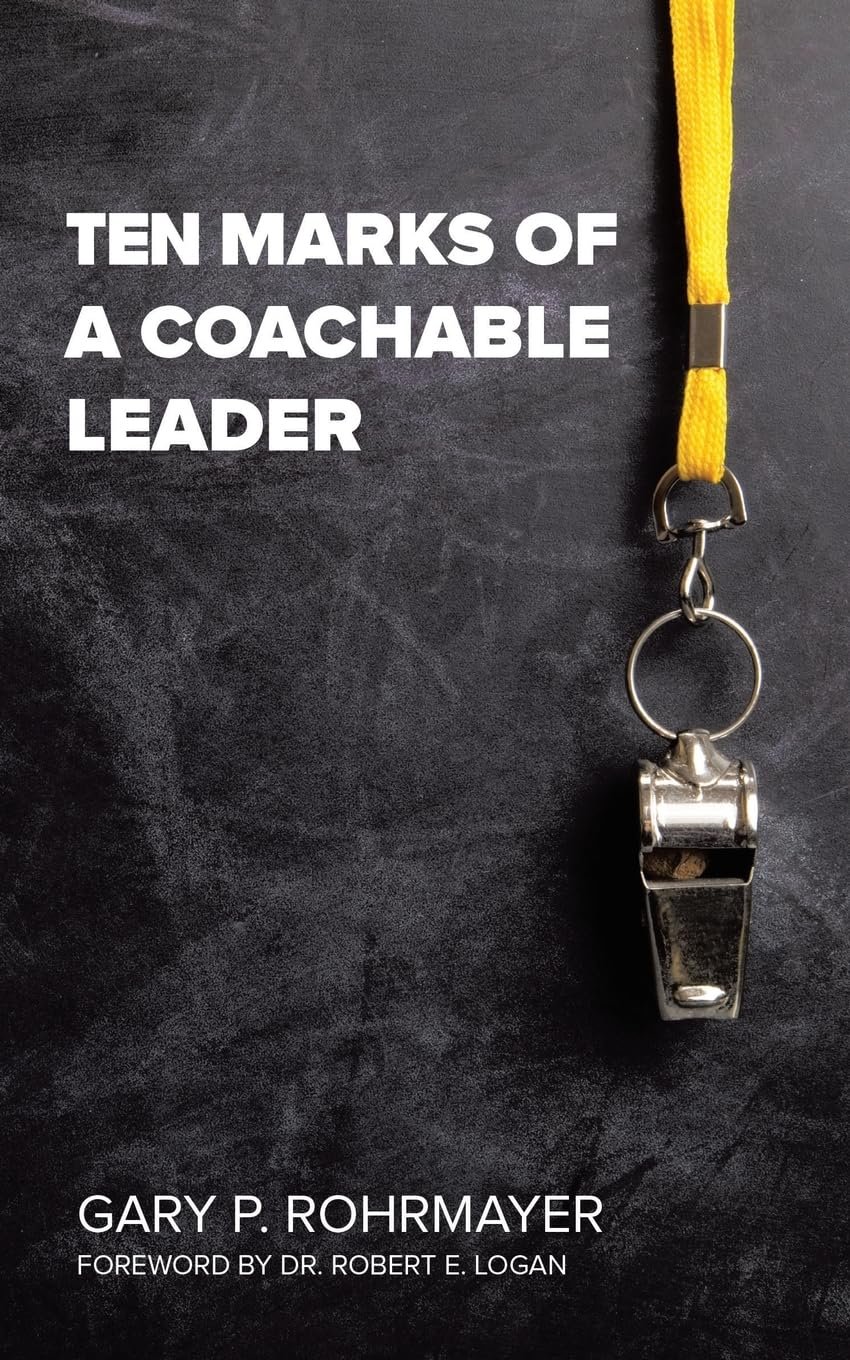
“Whether you are an experienced leader or just starting out, this book is an essential starting point. Here Gary Rohrmayer shows how qualities like adaptability and initiative contribute to the success of any coaching relationship. It’s a book full of practical tools you can use to maximize what you get out of your coaching experience.” —Robert E. Logan
It is so much easier to work with coachable people. They approach everything they do like a student, not a suspicious critic. They have a posture that is open, not guarded – and Gary Rohrmayer has seen what a difference that makes as a father, executive leader, and personal coach. Coachability is the ability to take advice. The Bible says, “Listen to advice and accept instruction, that you may gain wisdom in the future” (Proverbs 19:20 ESV). A coachable person accepts feedback with such a high level of emotional awareness that it allows them to grow, mature, and succeed. To be coachable is to be willing to learn from others, from their experiences, expertise, and perspectives.
In Ten Marks of a Coachable Leader, you’ll discover that coachability is a skill that revolves around learning how to take advice well. Learn how to be more coachable, step by step, all while living a life based on biblical principles in this life-changing guide.
Be sure to complete the free Coachability Assessment as well!
—
Bulk order pricing: Are you interested in buying 20, 50, or 100 books for your organization? Just email team@garyrohrmayer.com